After Hours with P.K.
Tell us about the novel’s title
The title of the book is Passages. I meant for the title to hint that this tale the reader has chosen to pick up refers to emotional transitions accompanies situational transitions in our lives. Think of growing up, changes in relationships with parents, going through training for a profession, getting married, abiding the loss of a loved one – these are examples of major transitions in our lives that the story touches on. We endure so many changes in life, many of which take place simultaneously yet not in synchrony. So often, human beings don’t take the time to step back and chronicle in their minds the emotional growth they are experiencing. Perhaps we should bring those evolutions into focus and take advantage of that introspection.
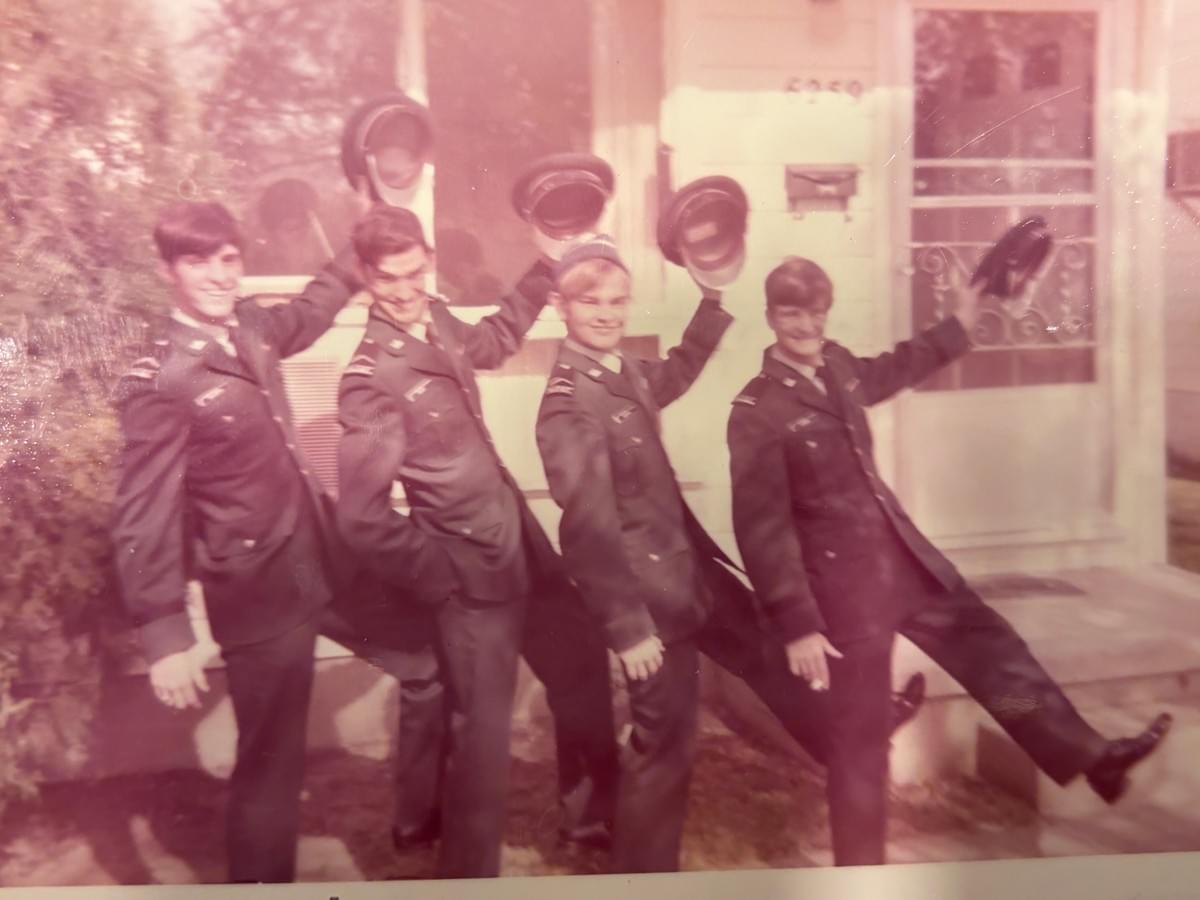
The subtitle is A Voyage from War to Peace. So, yes, I used the signature war of my generation (boomers), the Vietnam conflict, as the backdrop for a defining transition in one of the main characters, AJ. Yet, I hope most readers will recognize the ongoing transitions of Miko, the counterpoint character, as well as in other pivotal characters. In the story, yes, there is quite a bit of military and medical detail to take in. I chose to use the realism of a therapeutic relationship as a mechanism for opening the mental process of accounting for the plusses and minuses we accumulate in our transitions or “passages.”
So, what’s the story about?
I’m eternally honing my “elevator” speech! Superficially, the character AJ is an aging Vietnam War Navy combat veteran who gets himself in trouble and is dragged to a hospital by the cops and required to have a psychiatric evaluation. The doctor who is assigned to his case is a young foreign medical doctor, what we now call an international medical graduate (IMG), who is just entering a psychiatry residency - the latter training phase for a specialty, the time that follows medical school and internship. So, one of these interlocutors is in a late-life transition under duress and the other is in an early life transition under its own form of duress. Some readers might expect a bit of xenophobic friction with just such a mash-up. During the telling, one learns a lot about how each got to this moment of their meeting and events formative to their character and world view. I had hoped to draw the reader into the narrative with a glimpse of military and medical training reality, if that had not been part of the reader’s own experience. I also tried to be as genuine in the description of scenes, so that those who have been in those or similar places could readily identify with them.
You might imagine that working in this platform allows for touching on so many of the relationship flash points in our lives – parents and children, our reactions to authority figures, finding one’s place in the world, and bringing one’s talents and aspirations to bear. Story telling has always been a media for passing down from generation to generation not only history, tradition, and practical knowledge, but lessons on emotional resilience. I didn’t shy away from major taboos that challenge us. We all run up against circumstances that try to break us. Open warfare is the most devastating violence we heap upon each other, but we all experience battles in our lives and strive for victory, or at least peace. No one has all the answers, but stories that carry examples, options of reactions to challenges, can resonate for some of us. Identifying with the challenges of one character or another is what draws thoughtful people into a story and give it meaning. I have always been fascinated with unsung hero-types I’ve encountered, and the courage they demonstrate when confronted with challenges. Passages is a more a story of relationships than military engagement or outcomes.